
International Runners in the Oaks
 Available in US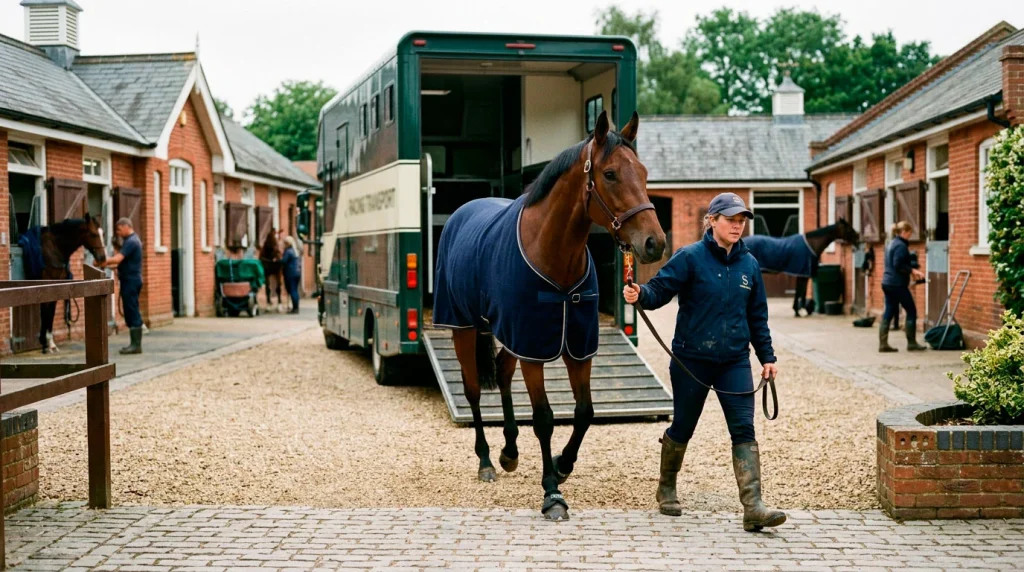
The International Appeal
The Epsom Oaks draws fillies from beyond British shores. While the race belongs to the English Classic programme, its prestige attracts challengers from Ireland, France, and occasionally further afield. These international runners add depth to the field and complexity to the betting market, offering punters opportunities to find value where domestic form study meets cross-border uncertainty.
Global interest in the Derby Festival continues to grow. World Pool turnover on the Derby at Epsom in 2026 rose by 5 percent to HK$54.4 million, according to BloodHorse, reflecting international engagement with Britain’s premier Flat meeting. The Oaks benefits from the same attention, with punters worldwide studying form, assessing pedigrees, and placing bets on fillies trained across multiple jurisdictions.
For British-based punters, international runners present challenges. Form from Irish maidens, French Classics trials, or continental Listed races does not map directly onto UK standards. Comparing a filly who won at Leopardstown with one who scored at Newmarket requires adjustment. This guide examines the main sources of international challengers, profiles their typical form lines, and suggests how to assess their chances when they arrive at Epsom.
Beyond British shores lies value for those who understand how to find it.
Irish-Trained Runners
Ireland dominates the Oaks in the modern era. Aidan O’Brien’s Ballydoyle operation has won eleven of the last twelve runnings, including Minnie Hauk’s success in 2026, a record of supremacy that shapes the market before entries are even announced. When an O’Brien filly lines up at Epsom, she arrives with the weight of that record behind her. Punters must decide whether the streak reflects genuine superiority or whether the market overvalues the stable’s reputation.
Ballydoyle’s strength lies in depth. The operation often enters multiple fillies, allowing them to control the pace and support their leading contender tactically. A pacemaker who ensures honest fractions can set up the stable’s finisher to strike in the closing stages. Understanding which filly is the intended standard-bearer, and which plays a supporting role, is essential for betting purposes. Ante-post markets sometimes price O’Brien runners incorrectly before roles become clear.
Other Irish trainers have also produced Oaks winners. Dermot Weld’s 2026 victory with Ezeliya, forty-three years after his first Oaks success, demonstrated that Ballydoyle does not hold a monopoly. Irish training methods, which often include extensive use of Polytrack gallops and patient campaign management, produce fillies well-suited to the demands of English Classics.
Irish trials feed into Oaks assessment. Fillies who contest races at Leopardstown, the Curragh, or Naas before crossing the Irish Sea bring form that requires calibration. Irish Group 3 form may equate to English Listed standard; Irish Listed form may be Group-quality. Watching how Irish runners perform when raiding British meetings earlier in the season provides calibration points for Oaks day.
The short journey from Ireland means travel stress is minimal. Unlike runners shipping from further afield, Irish fillies arrive fresh and acclimatised, removing one variable from the equation.
French and Other European Entries
French-trained fillies occasionally cross the Channel for the Oaks, though less frequently than their Irish counterparts. France runs its own equivalent, the Prix de Diane at Chantilly, typically a fortnight after Epsom, which means trainers must choose between the two. A filly committed to the Oaks bypasses the French Classic; one targeting the Prix de Diane skips Epsom. The calendar forces a decision that reduces French representation.
When French raiders do appear, they merit respect. French Classic form is highly regarded, and trainers like André Fabre and the Aga Khan’s operation have a history of producing elite middle-distance fillies. A filly who won impressively in a French trial before being supplemented for the Oaks signals connections’ belief in her ability to handle Epsom. Supplementary entries incur additional expense, demonstrating commitment.
German and Italian entries are rarer but not unknown. Fillies from these jurisdictions typically need outstanding domestic form to warrant the trip, and language barriers can obscure the quality of their performances. Accessing German or Italian racing media requires effort, but the reward is information that most British punters lack.
Travel logistics affect European runners differently. A filly shipping from Chantilly faces a longer journey than one from the Curragh, with associated stress and recovery considerations. Trainers experienced in international campaigns manage these factors professionally, but first-time travellers may struggle. Check whether a filly has previously raced abroad; a successful foreign raid in her record suggests she copes with the demands of travel.
European entries diversify the Oaks field and occasionally produce surprises that reward punters willing to look beyond the familiar.
Assessing International Form
Cross-border form comparison requires calibration. Irish and French racing operate on different class structures, and raw form figures do not translate directly. A filly rated 110 by Timeform in Ireland may or may not match a filly rated 110 in Britain; the ratings attempt standardisation, but local contexts differ.
Collateral form offers the most reliable guide. If an Irish filly beat a rival who subsequently ran well in a British Group race, that performance anchors her level. Similarly, if a French raider finished behind a filly who then contested the 1000 Guineas, the Guineas result calibrates the French form. These intersections are not always available, but when they exist, they provide concrete data points.
Trainer strike rates in Britain illuminate intent and ability. Aidan O’Brien’s record speaks for itself, but other Irish trainers vary in their British raiding success. Checking a trainer’s historical performance at British meetings indicates whether their entries are serious contenders or speculative entries hoping for luck.
Jim Allen, General Manager of Epsom Downs Racecourse, captured the global dimension of the meeting in BloodHorse: “It’s fantastic to see the World Pool turnover figures up on last year, with the biggest Derby field since 2017.” That international engagement means sophisticated punters worldwide assess European runners alongside British form students. The market is informed; value appears when your analysis differs from consensus.
Trust ratings systems as a starting point but verify with visual evidence. Watch replays of international trials, assess running styles, and form your own view on how a filly might handle Epsom’s terrain.
Responsible Gambling
International form adds uncertainty that even experienced punters struggle to quantify. Backing a filly whose form you cannot fully assess carries additional risk. Factor this into your staking, and avoid over-committing on selections where your information is incomplete. If uncertainty leads to frustration or excessive betting, step back. Support is available through BeGambleAware. Gambling should enhance your enjoyment of the international spectacle, not cause stress.
International Runners in the Oaks — More on this topic at epsom oaks betting.
See also Oaks Day Raceday Experience.
